Do you often experience redness, burning, stinging, dryness or irritation after using skincare products? Does your skin react when the weather changes, after exercising, or when you try something new?
You may have sensitive skin.
Sensitive skin is incredibly common, but it can be difficult to understand because there isn't one single cause or set of symptoms. For some people, sensitive skin feels tight, dry or uncomfortable. For others, it may become red, itchy, burning or sting when certain products are applied.
Sensitive skin can also change over time. You may have never considered your skin sensitive before, only to find that products you once tolerated suddenly feel irritating.
Understanding what causes sensitive skin, recognising the signs and learning how to manage sensitive skin can help you build a skincare routine that feels more comfortable and consistent.
Need a Regime? Read our guide on how to care for sensitive skin.
What Is Sensitive Skin?
Sensitive skin describes skin that is more likely to react to products, environmental factors or other triggers that wouldn't normally cause irritation.
Unlike conditions such as eczema or rosacea, sensitive skin isn't necessarily a specific medical diagnosis. It can describe the way your skin responds and may occur alongside an underlying skin condition.
Sensitive skin can be associated with changes in the skin's outer barrier, which normally helps protect the body from environmental irritants and helps prevent excessive water loss. When this barrier isn't functioning optimally, irritants may have an easier time affecting the skin.
Importantly, sensitive skin is individual.
What causes redness or irritation for one person may be completely comfortable for another.
That's why finding your personal triggers is such an important part of managing sensitive skin.
What Are the Signs of Sensitive Skin?
Wondering “How do I know if I have sensitive skin?”
There are several common signs and symptoms to look out for.
1. Redness and Flushing
One of the most noticeable signs of sensitive skin is redness.
Your skin may appear flushed or develop areas of visible redness after applying certain skincare products, spending time in the sun, experiencing temperature changes or exposure to wind.
Redness can also occur alongside other skin conditions, including rosacea, eczema and contact dermatitis, so persistent or unexplained redness should be assessed by a healthcare professional where appropriate.
2. Burning, Stinging or Tingling
Does your moisturiser sting when you apply it?
Does your skin feel hot or burning after cleansing?
Burning, stinging, itching and tingling can all be signs of sensitive or reactive skin. Some people experience these sensations even when there are few visible changes to the skin.
If products that previously felt comfortable suddenly begin to sting, this may be a sign that your skin is currently more reactive than usual.
3. Dryness, Tightness or Flaking
Sensitive skin can often feel dry, tight or uncomfortable.
You may notice rough texture, flaky patches or increased sensitivity after cleansing. Excessively dry skin can also develop cracks and become itchy.
Importantly, dry skin and sensitive skin aren't exactly the same thing.
You can have dry skin without having sensitive skin, and you can have sensitive skin without particularly dry skin.
However, when the skin barrier is compromised, dryness and sensitivity can occur together.
4. Your Skin Reacts to New Products
If you regularly experience redness, itching, burning, bumps or irritation after trying new skincare products, your skin may be particularly reactive.
However, a reaction doesn't necessarily mean you have “sensitive skin”.
You could be experiencing irritation or an allergic reaction to a particular ingredient.
This is why introducing products gradually and patch testing new skincare can be helpful. The American Academy of Dermatology recommends testing a skincare product on a small area before applying it more widely, particularly when you're concerned about a potential reaction.
5. Your Skin Reacts to More Than Skincare
Sensitive skin doesn't necessarily react only to skincare products.
You may notice changes after exposure to:
- Hot or cold weather
- Wind
- Sun exposure
- Heat
- Sweat
- Fragrances
- Laundry detergents
- Soaps and cleansers
- Certain fabrics
- Household cleaning products
Keeping track of what your skin was exposed to when a reaction occurred can help you identify potential triggers.

What Causes Sensitive Skin?
There isn't one single cause of sensitive skin.
Your skin's sensitivity can be influenced by your genetics, environment, skincare routine, hormones, age, lifestyle and whether you have an underlying skin condition.
Let's look at some of the most common factors.
1. A Weakened or Disrupted Skin Barrier
Your skin barrier is your body's first line of defence against the outside world.
The outermost layer of your skin helps keep moisture in while helping protect against environmental irritants.
When the barrier isn't functioning effectively, your skin can become more vulnerable to dryness and irritation.
This is one reason why supporting the skin barrier is so important for sensitive skin.
Over-cleansing, excessive exfoliation, harsh scrubs and using too many potentially irritating active ingredients can all make already-reactive skin feel less comfortable.
2. Skincare Products and Ingredients
Sometimes the very products you're using to improve your skin may be contributing to irritation.
Fragrance, certain preservatives, exfoliating acids, retinoids and other active ingredients can cause irritation in some people, particularly when introduced too quickly or used too frequently.
This doesn't mean these ingredients are universally “bad” or unsuitable for sensitive skin.
It means your skin's tolerance matters.
An ingredient that works beautifully for one person may be too irritating for another.
This is why skincare should be introduced gradually rather than assuming that more active ingredients will automatically produce better results.
3. Weather and Environmental Changes
Your environment can have a major effect on how your skin feels.
Cold temperatures, dry air, wind, heat, humidity and sun exposure can all affect the skin.
You might notice that your skin feels perfectly comfortable during one season but suddenly becomes dry, tight, red or reactive when the weather changes.
Environmental triggers are particularly important to consider if your skin sensitivity seems to fluctuate throughout the year.
4. Hormonal Changes
Hormones can influence how your skin behaves throughout your life.
Changes associated with menstruation, pregnancy, perimenopause and menopause can coincide with changes in hydration, oil production and skin sensitivity.
This can be particularly frustrating because your usual skincare routine may suddenly feel different on your skin.
If you've noticed a significant change in your skin around a period of hormonal change, it may be worth reassessing your routine rather than simply adding more products.
5. Ageing Skin
Your skin doesn't stay the same throughout your life.
As we age, changes in the structure and function of the skin can influence hydration, resilience and how the skin responds to environmental stressors.
This means you can develop sensitive skin as an adult even if you've never considered yourself sensitive before.
A skincare routine that worked perfectly in your 20s may not necessarily be the best routine for your 40s, 50s or beyond.

6. Underlying Skin Conditions
Sensitive or reactive skin can occur alongside other skin conditions.
These may include:
- Rosacea
- Eczema
- Contact dermatitis
- Psoriasis
- Acne
- Dry skin
For example, rosacea can cause redness, flushing, burning and stinging, while eczema can cause dry, itchy and irritated skin.
If your skin is persistently red, itchy, painful, inflamed or developing a rash, don't assume that it's simply “sensitive skin”. A dermatologist or healthcare professional can help determine whether there is an underlying condition.
7. Genetics and Family History
Some people may simply be more predisposed to sensitive or reactive skin because of their genetics. A family history of conditions such as eczema, rosacea or other inflammatory skin conditions may increase the likelihood of experiencing skin sensitivity.
This doesn't mean sensitive skin is inevitable if a family member has a skin condition, but genetics can influence how your skin barrier functions and how your skin responds to environmental triggers.
8. Diet, Lifestyle and Hydration
Your skin can also be influenced by what's happening inside your body and by your everyday lifestyle.
A lack of sleep, dehydration, ongoing stress and an unbalanced diet may affect how your skin looks and feels. Some people also notice that particular foods appear to coincide with flushing, itching or other skin reactions, although individual triggers can vary significantly.
Rather than eliminating foods unnecessarily, pay attention to patterns. If you consistently notice a skin reaction after eating a particular food, it's worth discussing this with an appropriate healthcare professional.
9. Physical and Chemical Irritants
It's not just skincare products that can irritate sensitive skin.
Friction, pressure and contact with certain materials can also contribute to irritation. Rough towels, scratchy fabrics, tight clothing, frequent rubbing and even repeated contact from phones or protective equipment can make already-reactive skin feel uncomfortable.
Chemical irritants can also be found in everyday products such as laundry detergents, fabric softeners, soaps, household cleaners and fragrances. If your skin is particularly sensitive, reducing unnecessary exposure to potential irritants can be a simple way to make your environment more skin-friendly.
Gut Health and Sensitive Skin
Maintaining good gut health through eating a balanced diet, intake of a probiotic supplement, and keeping hydrated can help improve sensitive skin issues. An in-depth article in the National Library of Medicine states; the microbiome plays an important role in a wide variety of skin disorders. Not only when the skin microbiome is altered, but also surprisingly many skin diseases are accompanied by an altered gut microbiome. Gut–Skin Axis: Current Knowledge of the Interrelationship between Microbial Dysbiosis and Skin Conditions - PMC (nih.gov)

Gut health can significantly impact sensitive skin issues through various mechanisms:
- Inflammation - An unhealthy gut can lead to systemic inflammation, which may exacerbate skin conditions like eczema or rosacea.
- Nutrient Absorption - A healthy gut is crucial for proper nutrient absorption. Deficiencies in vitamins (like vitamin A, E, and D) can negatively impact skin health, making it more prone to sensitivity.
- Balanced Microbiome - A balanced gut microbiome supports the skin's microbiome. Disruptions in gut bacteria can affect skin health, leading to increased sensitivity or irritation.
- Stress and Hormones – The health of your gut influences how your body responds to stress and fluctuations of hormone levels. Increased stress levels can lead to skin flare ups and increased sensitivities.
- Immune System - The gut plays a key role in immune system function. An imbalance can lead to an overactive immune response, resulting in skin inflammation and sensitivity.
By focusing on your gut health, you will not only feel better overall, but by default you will be positively helping the health of your skin.
Tips for improving your gut health if you have sensitive skin include:
- Eating a Balanced Diet – Include fibre rich foods, fermented food, and Omega 3 fatty acids.
- Limit Processed Food – Reduce your consumption of packaged processed foods, refined sugar, and artificial additives.
- Hydration – Aim for a minimum of 2 Litres of water a day.
- Probiotic Supplements - beneficial bacteria help restore a healthy balance in the skin microbiome, reducing the growth of harmful bacteria that can cause irritation and inflammation.
- Regular Exercise and Rest – Physical activity promotes a healthy gut microbiome and getting enough, and adequate sleep is imperative in supporting recovery and overall health.

How to Manage Sensitive Skin
Managing sensitive skin involves a combination of protective measures and gentle care. Identifying and avoiding your own personal triggers is key, as well as using gentle products, and maintaining a consistent skincare routine.
If you notice a sudden change in your skin's sensitivity, it might be helpful to assess any recent changes in your environment, products, or lifestyle.
Here are some effective sensitive skin strategies:
- Skin journal – By keeping record of how your daily habits and lifestyle affect your skin, you will best be able to identify your triggers.
- Maintain a balanced healthy diet and lifestyle – Eating a diet rich in antioxidants, healthy good fats, staying hydrated and limiting refined sugar and alcohol will support the overall health of your skin. Incorporating stress-reducing practices like yoga, meditation, and regular exercise will also benefit your general wellbeing.
- Moisturise - Building a strong skin barrier and preventing dryness is your best shield of defence for combating sensitive skin.
- Patch test products – Before trying new products perform a patch test first to ensure your skin does not react or become irritated.
- Watch the water temperature – Searing hot water for your showers or baths is a no-no for sensitive skin as it strips your skin of its natural oils. Opt for lukewarm water instead.
- Over exfoliating and harsh scrubs – Can strip and damage the skin, causing further dryness and irritation.
-
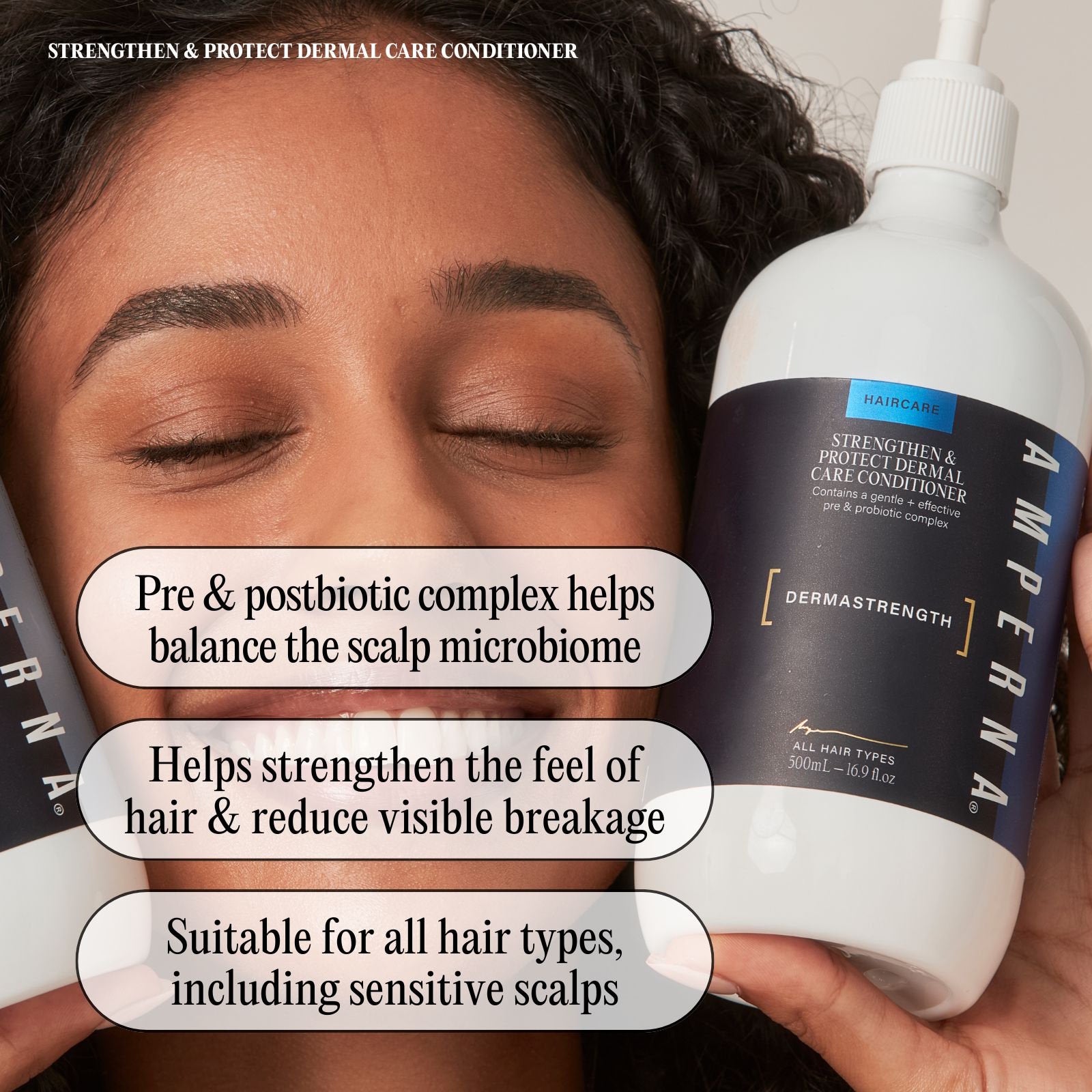
Use gentle products – This is crucial for managing your sensitive skin ongoing. AMERNA® has the perfect range to have you covered from top to toe.
The Full Range has everything you need for your skincare regime for sensitive skin.
The Wash and Lotion Duo works hard at gently cleansing and hydrating your skin without any harsh ingredients.
Need a Regime? Read our guide on how to care for sensitive skin.

AMPERNA®'s hero topical probiotic ingredient – Lactococcus ferment lysate, has a plethora of benefits for sensitive skin, including:
- Balancing of the skin’s microbiome – Topical probiotics can help restore and maintain a healthy balance of bacteria on the skin, which help reduce irritation and improve overall skin health.
- Strengthening of the skin’s barrier – Topical probiotics help enhance the skin's natural barrier function, making it more resilient to environmental stressors and irritants.
- Reducing inflammation – Topical probiotics have anti-inflammatory properties that can help soothe irritated skin and reduce redness.
- Improve skin hydration – AMPERNA®’s formulations help improve skin hydration, which is essential for managing sensitivity.
Sensitive Skin FAQs
What are the most common signs of sensitive skin?
Common signs include redness, dryness, itching, burning, stinging, tingling, flaking and skin that reacts easily to skincare products or environmental changes.
What causes sensitive skin?
Sensitive skin can be influenced by the skin barrier, genetics, environmental conditions, skincare products, hormones, age, lifestyle and underlying skin conditions such as eczema or rosacea.
Can you develop sensitive skin later in life?
Yes. Your skin changes over time, and it's possible to develop increased sensitivity even if you never experienced sensitive skin when you were younger.
How do I know if my skin is sensitive or irritated?
Sensitive skin describes a tendency for the skin to react easily, while irritation is a reaction that can happen to anyone. If you repeatedly experience burning, stinging, redness or itching after using certain products, consider discussing your symptoms with a healthcare professional.
Is sensitive skin the same as dry skin?
No. Dry skin is primarily related to a lack of moisture, while sensitive skin refers to increased reactivity. However, dry skin and sensitive skin can occur together.
Should sensitive skin use active ingredients?
Sensitive skin doesn't automatically mean you need to avoid all active ingredients. However, some actives can be irritating, particularly when introduced too quickly or used too frequently. Introduce new actives gradually and patch test where appropriate.
How can I calm sensitive skin?
Start by identifying potential triggers and simplifying your routine. Gentle cleansing, regular moisturising, avoiding excessive exfoliation, protecting your skin from the sun and using products your skin tolerates can all help support more comfortable skin.
What is the best skincare routine for sensitive skin?
A simple routine is often a good starting point: gentle cleansing, moisturising and daily broad-spectrum sun protection. Additional serums or active ingredients can be introduced gradually depending on your individual skin and concerns.
The Bottom Line
Sensitive skin isn't simply about having “delicate” skin.
It's about how your skin responds to the world around it.
Understanding your triggers, protecting your skin barrier, avoiding unnecessary irritation and keeping your skincare routine consistent can all help you better manage sensitive skin.
And remember: more skincare isn't necessarily better skincare.
Sometimes your skin needs less - not more.