When you think about what causes acne, you probably think of hormones, oily skin, chocolate, stress or not washing your face properly.
But what if your protein powder, vitamin supplements, helmet, hair products or even your pillowcase were contributing to your breakouts?
Acne is complicated. It develops through a combination of factors including sebum production, clogged hair follicles, inflammation, hormones, genetics and changes within the skin.
That means there isn't always one obvious reason for a breakout.
Some surprisingly everyday products and habits have also been linked with acne or acne-like eruptions. And because they aren't necessarily part of your skincare routine, they can be incredibly easy to overlook.
Here are five surprising acne breakout triggers worth knowing - and what you can do about them.
Learn more about postbiotic skincare for acne-prone skin.
1. Your Vitamin B12 Supplement Could Be Causing Acne-Like Breakouts
This one sounds strange, but there are documented cases of vitamin B12 triggering acneiform eruptions.
Vitamin B12 is an essential nutrient involved in numerous processes within the body, so this certainly doesn't mean that everyone taking B12 will develop acne.
However, dermatology literature has reported cases of people developing acneiform eruptions after taking vitamin B12 supplements. In some reported cases, the eruption appeared within days or weeks of starting supplementation and improved after B12 was discontinued.
Interestingly, B12-related eruptions don't always look exactly like conventional acne.
They can appear quite suddenly and may consist of relatively uniform red bumps and pustules, sometimes affecting the face, forehead, chest, shoulders or back. Traditional blackheads and whiteheads may be absent.
So, if you've suddenly developed an unusual acne-like rash and recently started a new vitamin or supplement, it may be worth reviewing everything you've added to your routine.
This doesn't mean you should stop taking a medically necessary supplement. If you suspect your medication or supplement is contributing to your skin changes, speak with your doctor or healthcare professional before making changes.
The takeaway: supplements aren't automatically harmless simply because they're sold as vitamins. If your skin changes suddenly after introducing a new supplement, the timing is worth paying attention to.

2. Your Protein Powder Could Be Behind Your Breakouts
If you've recently started going to the gym and suddenly noticed more acne, your skincare routine may not be the culprit.
Your protein powder could be worth investigating.
Whey protein has been studied in relation to acne, with research suggesting an association between whey protein supplementation and acne in some individuals. Proposed mechanisms include effects on insulin-like growth factor-1 (IGF-1), insulin signalling and pathways involved in sebaceous gland activity.
This is particularly interesting because protein powders are often treated as a completely separate issue from skincare.
You might have a carefully considered acne skincare routine, but if you're drinking a whey shake every day and your breakouts began around the same time, it's worth considering the bigger picture.
There is also an important distinction between whey protein and all protein powders.
The evidence doesn't mean that every protein powder will cause breakouts, nor does it mean that everyone with acne needs to avoid dairy or protein supplements.
Instead, look for patterns.
Did your acne become noticeably worse after introducing a particular protein powder?
Are your breakouts occurring repeatedly during a period when you're using it?
Does your skin improve when you stop using it?
These observations don't prove causation, but they can give you useful information to discuss with a healthcare professional or dietitian.
The takeaway: if you've suddenly developed acne after changing your fitness routine, don't just look at your skincare. Consider what you've added to your diet and supplement routine too.

3. Your Helmet, Headphones or Sports Equipment Could Be Creating Acne
Here's another acne trigger that many people don't think about: friction.
If you've ever noticed small bumps appearing exactly where your helmet strap, chin guard, headphones or protective equipment sits, you could be experiencing something called acne mechanica.
Acne mechanica can occur when sports equipment or clothing traps heat and sweat against the skin while also repeatedly rubbing against it. This combination can irritate the skin and contribute to breakouts in acne-prone individuals.
It can happen anywhere equipment repeatedly contacts the skin.
For example:
- Under a helmet or chin strap
- Along the jawline
- On the forehead
- Around the ears
- Across the shoulders
- On the neck
- Under sports protective equipment
- Anywhere tight clothing repeatedly rubs
The first sign isn't necessarily a traditional pimple. You may notice small, rough-feeling bumps that you can feel before you can actually see them.
Sweat can make the situation worse by creating a warm, humid environment underneath equipment, while friction can further irritate the hair follicles.
What About Towels and Sheets?
It's not just sports equipment that repeatedly comes into contact with your skin.
Your pillowcase, sheets and face towel can also collect sweat, oil, dead skin cells, skincare residue and hair products over time. These can then transfer back onto your skin while you sleep or dry your face.
This doesn't mean that an unwashed towel or pillowcase directly causes acne, but if you're prone to breakouts, keeping fabrics that regularly touch your face fresh is a simple habit worth considering.
Try changing your pillowcases a couple of times a week, washing your sheets regularly and using a fresh, soft towel to gently pat your face dry rather than rubbing. If you have sensitive skin, a fragrance-free detergent may also help minimise unnecessary irritation.
This doesn't mean you need to stop exercising.
Instead, consider whether the equipment is rubbing against the same area repeatedly and whether sweat is sitting against your skin for prolonged periods.
Wash equipment and clothing regularly, avoid unnecessary friction and gently cleanse your skin after particularly sweaty activities.
And don't scrub aggressively in an attempt to “clean away” the acne - that can simply add more irritation.
The takeaway: if your acne appears in a very specific pattern that matches where your sports equipment touches your skin, friction, heat and occlusion could be part of the puzzle. And don't forget about the everyday fabrics that come into contact with your skin.

4. Your Hair Products May Be Causing Your Forehead Acne
You've checked your cleanser.
You've changed your moisturiser.
You've stopped using makeup.
But have you checked your haircare?
Hair products can be an overlooked cause of breakouts, particularly around the hairline, forehead and back of the neck.
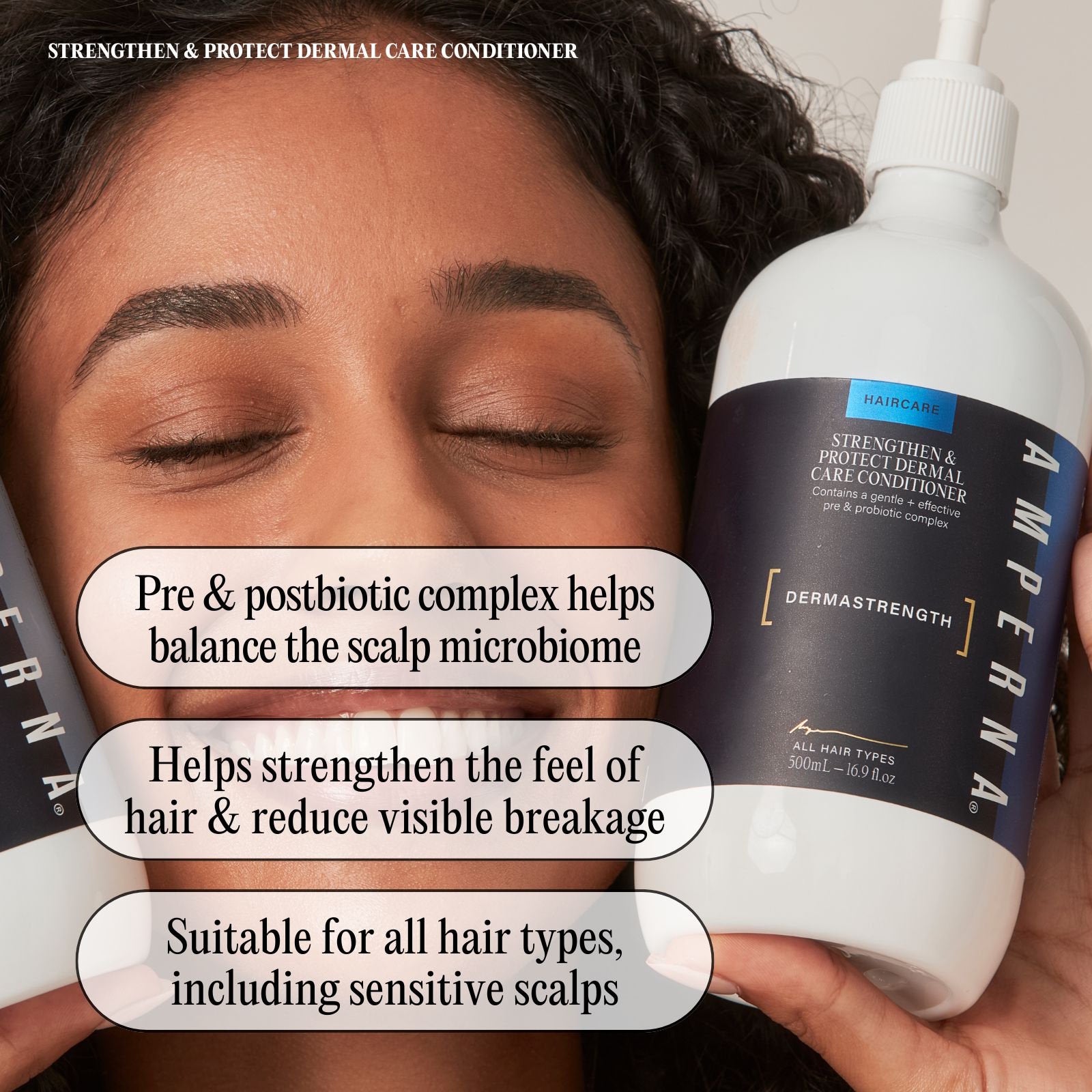
Shampoos, conditioners, leave-in treatments, oils, gels, waxes, pastes and sprays can all come into contact with your skin. Some hair products contain conditioning or oily ingredients designed to coat and smooth the hair, and repeated contact with the skin may contribute to clogged pores in some people.
This can create a particularly recognisable pattern.
You may notice:
- Tiny bumps along the hairline
- Small whiteheads across the forehead
- Congestion around the temples
- Breakouts behind the ears
- Bumps across the back of the neck
And sometimes the bumps are easier to feel than see.
But your haircare isn't the only thing to consider.
Leave-in products may be particularly relevant because they remain in your hair for hours and can transfer onto your skin while you're sleeping, exercising or simply moving throughout the day.
This doesn't mean oils, conditioners or styling ingredients are “bad”.
They're formulated to perform specific functions on the hair.
The issue is that an ingredient that is fantastic for conditioning hair may not necessarily be ideal for someone who is particularly prone to congestion when that product repeatedly comes into contact with their forehead or hairline.
Try paying attention to where your acne appears.
If you consistently break out around your hairline but your cheeks and lower face remain relatively clear, your haircare routine could be worth investigating.
Why back acne happens and how to care for breakout-prone body skin.
The takeaway: sometimes the product contributing to your forehead acne isn't the product you're putting on your face at all.
5. Certain Medications Can Cause Acne-Like Breakouts
This is perhaps one of the most important - and least obvious - triggers to know about.
Some medications can cause acneiform eruptions, which are acne-like breakouts triggered by a medication rather than conventional acne.
Medications associated with acneiform eruptions include corticosteroids, lithium, some anticonvulsants and certain medications used in cancer treatment and immune-related conditions. Vitamin B12 and some supplements have also been reported as potential triggers.
One clue that a medication may be involved is sudden onset.
Traditional acne often develops gradually, whereas drug-induced acneiform eruptions can sometimes appear relatively quickly after starting a medication. They may also look different from your usual acne, with similar-looking papules or pustules appearing across areas such as the face, chest, shoulders or back.
This is why it's important not to assume that every new breakout means you need stronger acne skincare.
If your skin suddenly changes after starting a new medication, changing your dose or adding a new supplement, make a note of when the changes occurred.
Never stop a prescribed medication without speaking to your doctor first.
Instead, tell your healthcare professional about the skin changes. They can determine whether your medication could be contributing and whether an alternative treatment or dermatological approach is appropriate.
The takeaway: if your acne suddenly looks or behaves differently from your usual breakouts, don't automatically reach for stronger skincare. Consider whether something new has been introduced into your medication or supplement routine.
Why These Acne Triggers Are So Easy to Miss
What makes these triggers particularly frustrating is that none of them necessarily looks like a skincare problem.
You can have a carefully planned acne skincare routine and still experience breakouts because something else is influencing your skin.
You might be:
- Taking a new vitamin
- Starting a new protein powder
- Wearing a helmet more frequently
- Starting a new medication
- Using a new hair styling product
- Exercising more and spending longer periods with sweat against your skin
- Sleeping on the same pillowcase for several nights
And because these changes don't necessarily happen in the bathroom cabinet, they're easy to overlook.
This is why paying attention to when and where your acne appears can be just as useful as looking at what skincare products you're using.
Learn more about postbiotic skincare for acne-prone skin.
What about prolonged use of antibiotics?
Whilst in some cases antibiotics are critical to recovering from an illness, taking antibiotics for too long can be detrimental to the colonies of your good gut bacteria. When bad bacteria overrule, it can quickly trigger a variety of skin conditions.
Your gut’s microflora is directly related to the health of your skin. When your gut’s microflora is unhealthy or out of balance your gut leaks toxins, that are then carried to your skin - resulting in breakouts. Bottom line is the healthier your gut, the healthier your skin.

If your skin is suffering ongoing breakouts, Kiri Yanchenko, founder of AMPERNA® is here to help. Kiri suffered severe health complications from stress and side effects from medication. She found by that adopting holistic principles she was able to help herself back to full health and glowing skin.
The AMPERNA® range features products that are full of anti-inflammatory anti-bacterial ingredients and contain our probiotic complex.
Acne is multifactorial - it rarely comes down to just one trigger. At AMPERNA®, we help you look at your skin holistically, taking into account not just what you apply, but how you live, eat, and care for your body as a whole.
By identifying these less obvious acne triggers, you can make smarter, gentler choices for your skin and take steps toward long-term clarity, not just quick fixes.
One last reason for breaking out - not having a balanced diet
If you are consuming a diet high in processed foods, dairy and sugar and not eating a wide range of plant-based and fiber rich foods, chances are you are compromising the overall health of your skin.
Certain foods can further promote inflammation throughout the body, and it is possible this can trigger acne breakouts.
To best nourish your skin, you need to nourish your body from the inside out and ensure you eat a wide variety of wholesome foods to promote high levels of good bacteria and not let the bad bacteria overrule.
In general, the most effective way in dealing with acne triggers is to be eating a wholesome balanced diet, rich in fresh fruits and vegetables, healthy protein sources, and whole grains.
Foods containing the following ingredients are also thought to be beneficial for the skin because they reduce inflammation:
Building Your Acne-Prone Skin Routine
Once you've identified some of the less obvious factors that may be contributing to your breakouts, the next step is supporting your skin with a consistent, considered skincare routine.
If you're looking for a complete AMPERNA® routine for acne-prone and breakout-prone skin, our Acne Plus Bundle brings together targeted products designed to support your skin at different stages of your routine.
Start with the Acne Plus Bundle
The AMPERNA® Acne Plus Bundle is a great starting point if you're looking to simplify your routine while supporting acne-prone skin.
Rather than constantly layering multiple harsh acne treatments, the bundle is designed to help you build a more balanced approach to caring for your skin.
Don't Forget Daily Sun Protection
Acne-prone skin still needs daily sun protection.
If you're using active skincare or retinol, protecting your skin from UV exposure becomes particularly important. Our Pro+ Bio Soothing Day Mineral CC SPF15 provides daily mineral sun protection while helping to create a comfortable, even-looking finish.
Going to the Gym? Keep Your SOS Spray Handy
If exercise and sweating are part of your routine, don't forget about your skin.
The Pro+ SOS Daily Facial Spray [SUPACALM] is an easy addition to your gym bag. Use it when your skin needs a refreshing mist after exercise or whenever your skin feels hot, sweaty or uncomfortable.
It's a simple way to keep your skincare routine convenient when you're on the go.
Ready to Introduce Retinol?
If your skin is comfortable with your foundational routine and you're ready to move into more targeted active skincare, AMPERNA® offers two retinol alternatives to help you take the next step.
Our Pro+ Bio Resurfacing Retinol ALT [SUPERADIANCE] and Pro+ Bio Resurfacing Retinol RX [SUPERFOLIATE] are designed for different levels of active skincare, allowing you to choose an option that suits where your skin is in its journey.
As with any active skincare, introduce retinoids gradually and give your skin time to adjust rather than adding multiple new actives at once.
SHOP RETINOL ALT | SHOP RETINOL RX
Your Acne Skincare Routine Doesn't Have to Be Complicated
The goal isn't to throw every possible acne product at your skin.
It's about creating a routine that supports your skin consistently — while considering the other factors that may be contributing to your breakouts.
Acne Plus Bundle → Daily SPF15 → SOS Spray for active days → Retinol when you're ready for the next step.
Explore the AMPERNA® Acne Plus Bundle and build a routine designed to support healthy-looking, balanced skin.
Frequently Asked Questions About Acne Breakouts
What are the most common acne breakout triggers?
Acne has multiple contributing factors, including hormones, excess sebum, clogged follicles, inflammation and genetics. Lifestyle and environmental factors such as stress, certain skincare products and haircare products may also contribute to breakouts for some people.
Can skincare cause acne?
Some skincare and cosmetic products may contribute to clogged pores or irritation in acne-prone individuals. However, not every breakout after using a new product means the product caused acne. Consider the full formulation, your skin's response and other changes in your routine.
Can stress cause acne?
Stress does not directly cause acne, but stress-related hormonal and behavioural changes may contribute to breakouts or make existing acne more difficult to manage.
Does hormonal imbalance cause acne?
Hormonal fluctuations can contribute to acne by influencing oil production and other processes involved in acne development. Hormonal acne is particularly common during puberty, menstrual cycles and periods of hormonal change such as perimenopause.
Can hair products cause forehead acne?
Hair products containing oils, conditioning agents or other ingredients that transfer onto the skin may contribute to clogged pores or breakouts around the hairline and forehead in some people.
How often should I wash my face if I have acne?
More washing isn't necessarily better. Over-cleansing can leave skin feeling dry and irritated. A gentle cleanse once or twice daily, depending on your skin and routine, is generally a more sensible approach than repeatedly washing your face throughout the day.
Should I moisturise if I have acne?
Yes. Acne-prone skin still needs hydration. A suitable moisturiser can help support the skin barrier, particularly if you're using acne treatments that can cause dryness or irritation.
Can changing my skincare routine cause breakouts?
Changing multiple products at once can make it difficult to determine what's causing a reaction or breakout. Introducing products gradually and keeping your routine consistent can make it easier to identify what your skin tolerates.
Can diet cause acne?
Diet may influence acne for some people, with research exploring factors such as high-glycaemic diets and dairy. However, acne is multifactorial and diet alone does not explain every breakout.
What is the best skincare routine for acne-prone skin?
ACNE BIBLE
UNDERSTAND ACNE
→ 6 Types of Acne Explained
→ Do you Have Hormonal Acne?
→ Post-Pill Acne
→ Teenage Acne
WHY AM I BREAKING OUT?
→ Haircare + Chest/Back Breakouts
→ Back Acne
→ Can Makeup Cause Breakouts
WHAT SHOULD I DO?
→ What to Avoid
→ Skin Purging vs Breakouts
→ Should You Dry Out Pimples?
→ Active Skincare + Barrier
THE BIGGER PICTURE
→ Best Diet for Acne
→ Holistic Help for Acne
WHY AMPERNA?
→ Postbiotics for Acne-Prone Skin
→ What Is Microbiome Skincare?
→ Skin Barrier article