Everything you use on your skin has the potential to either be helpful or harmful. If you suffer from sensitive skin being mindful of product ingredients and how they interact with your skin is crucial to maintaining balance and minimising irritation.
That does not stop at skincare though, everyday personal care and homecare products need to be considered as well.
Over time, the multiple products you use throughout the day can cumulatively affect sensitive skin. Even if a product is not immediately irritating, repeated exposure to certain chemicals, fragrances, or harsh homecare ingredients can cause ongoing sensitivity or trigger skin reactions. This is why regular audits of the products you use are essential to identify potential irritants, avoid excessive use of harsh products, and ensure that your skin remains calm and healthy.
Why Treating the Symptom Will Not Fix the Root Problem
Here is why sensitive skin sufferers need to be extra cautious:
- Higher Sensitivity to Ingredients: Sensitive skin reacts more easily to certain chemicals, fragrances, preservatives, and dyes commonly found in skincare, makeup, and cleaning products. An ingredient that may seem harmless to others can cause redness, itching, burning, or rashes on sensitive skin.
- Skin Barrier Impairment: Sensitive skin may have a weaker or compromised skin barrier, which means it is less effective at keeping irritants out. This makes it more vulnerable to environmental pollutants, allergens, and other triggers.
- Increased Risk of Allergic Reactions: Individuals with sensitive skin may be more prone to allergic reactions to ingredients like parabens, sulphates, or essential oils, which can cause inflammation or flare-ups.
- Avoiding Common Irritants: Many people with sensitive skin need to avoid products with alcohol or strong fragrances. By auditing the products they use, they can identify potential triggers and avoid worsening their skin condition.
- Trial and Error: Sensitive skin varies from person to person, so what works for one person may not work for another. By auditing products and paying attention to reactions, individuals can better understand which products are safe and effective for their unique skin needs.
While targeting an isolated skin symptom may provide temporary relief, a more comprehensive, long-term approach that addresses underlying causes and supports overall skin health is essential for lasting improvement.

Here are some reasons why:
- Underlying Causes Are Not Addressed: Skin issues often have underlying causes, such as hormonal imbalances, diet, stress, or environmental factors. If only the visible symptoms are treated like dryness, redness, or acne, but the root cause is not identified and managed, the problem will likely return or worsen over time.
- Skin Needs Long-Term Care: Our skin is a dynamic organ that is influenced by various internal and external factors. Relying solely on topical treatments might provide temporary relief, but without a holistic approach to skincare including proper hydration, balanced diet, stress management, and healthy lifestyle choices, the skin will continue to face challenges that cause the issue to resurface.
- Skin Imbalance: Using harsh or overly specific treatments for isolated issues might inadvertently create imbalances in the skin. For example, over-drying the skin to treat acne can lead to dehydration, irritation, or increased oil production, worsening the overall condition in the long run.
- Overall Skin Health is Key: Healthy, balanced skin is not just about treating one problem at a time; it requires maintaining proper hydration, nurturing the skin barrier, and promoting general skin health. An integrated approach supports the skin’s resilience and helps prevent future issues from arising.
AMPERNA®'s Sensitive Skin Care Audit
Here is how several types of products can affect sensitive skin and how AMPERNA® can help:
Cleansers
-
Problem: Harsh cleansers, especially those with sulphates, alcohol, or fragrances, can strip away the skin’s natural oils, disrupting the skin barrier. This can lead to dryness, irritation, or even breakouts.
Sensitive skin is more likely to react to products that are too aggressive or drying, so a gentle, hydrating cleanser is essential to maintain the skin’s moisture balance. - Solution: Use [BALANCE] Ultra Gentle Soothing Cleanser. A light gel cleanser infused with sage and cucumber extracts which helps cool and soothe the skin whilst rinsing clean without upsetting the skins natural pH.

Moisturisers
-
Problem: Moisturisers with irritating ingredients like artificial fragrances, preservatives, or certain alcohols can trigger allergic reactions or worsen sensitivity.
While moisturising is crucial for sensitive skin, the wrong moisturiser can either fail to soothe the skin or cause additional irritation. Choosing fragrance-free, hypoallergenic formulas is often recommended. - Solution: Use [HYDRATE] Lightweight Soothing+ Emulsion. Filled with ceramides, hyaluronic acid and emollients this nourishing lightweight cationic moisturiser is non-irritating and delivers good bacteria to your skin thanks to our superhero probiotic ingredient Lactococcus ferment lysate.
Sunscreens
- Problem: Some sunscreens, particularly chemical sunscreens, contain ingredients like oxybenzone or avobenzone, which can irritate sensitive skin or cause allergic reactions. Sunscreen is vital for protecting sensitive skin from UV damage, but the wrong formulation can cause stinging, redness, or rashes. Mineral sunscreens with zinc oxide or titanium dioxide are usually better tolerated.
- Solution: Use [HYDRAPROTECT] Pro+ Bio Soothing Day Mineral CC SPF15. This contains zinc oxide, vitamin B5 and hyaluronic acid, providing sun protection whilst nourishing and conditioning the skin.
Exfoliants
- Problem: Physical exfoliants (scrubs with abrasive beads) or strong chemical exfoliants can be too harsh for sensitive skin, leading to redness, over-exfoliation, and even broken skin. Exfoliation is beneficial for skin health, but sensitive skin needs much gentler options, such as mild exfoliating acids or enzyme-based exfoliators, to avoid irritation.
-
Solution: Use [EXFOLIATE] 10% Pro+ Resurfacing Lotion. Our gentle leave on exfoliating lotion, contains 10% glycolic acid which addresses reducing the appearance of fine lines and wrinkles, gently. Infused with AMPERNA®'s hero probiotic complex to deliver healthy bacteria to the skin, [EXFOLIATE] is suitable for all sensitive skin types.
NOTE: to be used when your skin is not in the inflamed stage.
Serums and Treatments
-
Problem: Active ingredients like retinoids, vitamin C, or benzoyl peroxide can be too potent for sensitive skin, leading to stinging, dryness, or redness.
While these ingredients can offer major benefits, they can also be too intense for sensitive skin. It is important to introduce them gradually and opt for products formulated for sensitive skin. -
Solution: Our [REPAIR] Pro+ Vitamin C Hyaluronic Serum. This contains high levels of hydrating hyaluronic acid and antioxidants, helping restore suppleness to your skin.
Our best-selling [RESCUE] Probiotic+ DS Soothing Serum is our no-nasties topical steroid alternative which is deeply restorative, cooling and soothing to irritated and sensitive skin types. The copper and zinc gluconates help limit the spread of harmful bacteria and replenish the skin barrier.

Body Products
- Problem: Body washes, lotions, or deodorants can contain fragrances or alcohols that irritate the skin. Harsh body washes can strip the skin, leaving it feeling tight or itchy. Sensitive skin on the body needs mild, moisturising, and fragrance-free formulas to avoid triggering irritation or flare-ups, especially for conditions like eczema or dermatitis.
- Solution: Wash + Lotion Duo. Both our Body Wash [CERALACTIC] & our Body Lotion [HYDRALACTIC] are lightweight, fragrance free and contain gentle yet effective ingredients to cleanse and moisturise the body without any harsh and aggressive ingredients.
Makeup
-
Problem: Many makeup products contain fragrances, preservatives, or other chemicals that can irritate or clog pores. Heavy foundations or certain concealers can exacerbate skin conditions like acne or rosacea.
Sensitive skin requires makeup that is non-comedogenic, fragrance-free, and formulated for sensitive or acne-prone skin. - Solution: Go makeup free as often as possible and save wearing makeup for special occasions only. Mineral makeup is often a safer choice for sensitive skin types. We always advise our community to check ingredients and patch test before fully applying to your skin.
Hair Care Products
Problem: Your skincare routine isn't the only collection of products that comes into contact with your skin. Shampoo, conditioner, hair masks, oils, dry shampoo and styling products can all come into contact with the scalp, forehead, hairline, neck, ears and face.
For people with sensitive or reactive skin, ingredients such as fragrance and certain cleansing agents may contribute to irritation, particularly if products aren't rinsed thoroughly. Hair products can also leave residue on the skin, which may be particularly noticeable around the hairline, forehead and back of the neck.
If you've ever wondered why your skin is irritated around your hairline, your scalp feels itchy after washing, or you're experiencing small bumps or breakouts around your forehead and neck, your haircare routine may be worth auditing too. Dermatologists also recognise that haircare products can contribute to breakouts when oils and product residue come into contact with the skin.
This is especially important because haircare products are often left on the hair for hours. Leave-in conditioners, styling creams, oils, gels and sprays can gradually transfer onto your skin throughout the day or onto your pillowcase while you sleep.
What to look for:
- Fragrance and added perfume
- Harsh cleansing ingredients that leave the scalp feeling stripped
- Heavy oils or occlusive styling products if you're prone to congestion
- Dry shampoo or styling products that build up on the scalp
- Products that aren't thoroughly rinsed from the hair or scalp
This doesn't mean that these ingredients are inherently “bad” or that everyone with sensitive skin needs to avoid them. Sensitive skin is individual, and an ingredient that causes irritation for one person may be completely comfortable for another.
Solution: Choose haircare that is gentle and appropriate for your hair and scalp, rinse shampoo and conditioner thoroughly, and pay attention to where your haircare products come into contact with your skin. If your scalp or skin repeatedly becomes itchy, burning, red or inflamed after using a particular product, discontinue it and consider speaking with a dermatologist or healthcare professional.
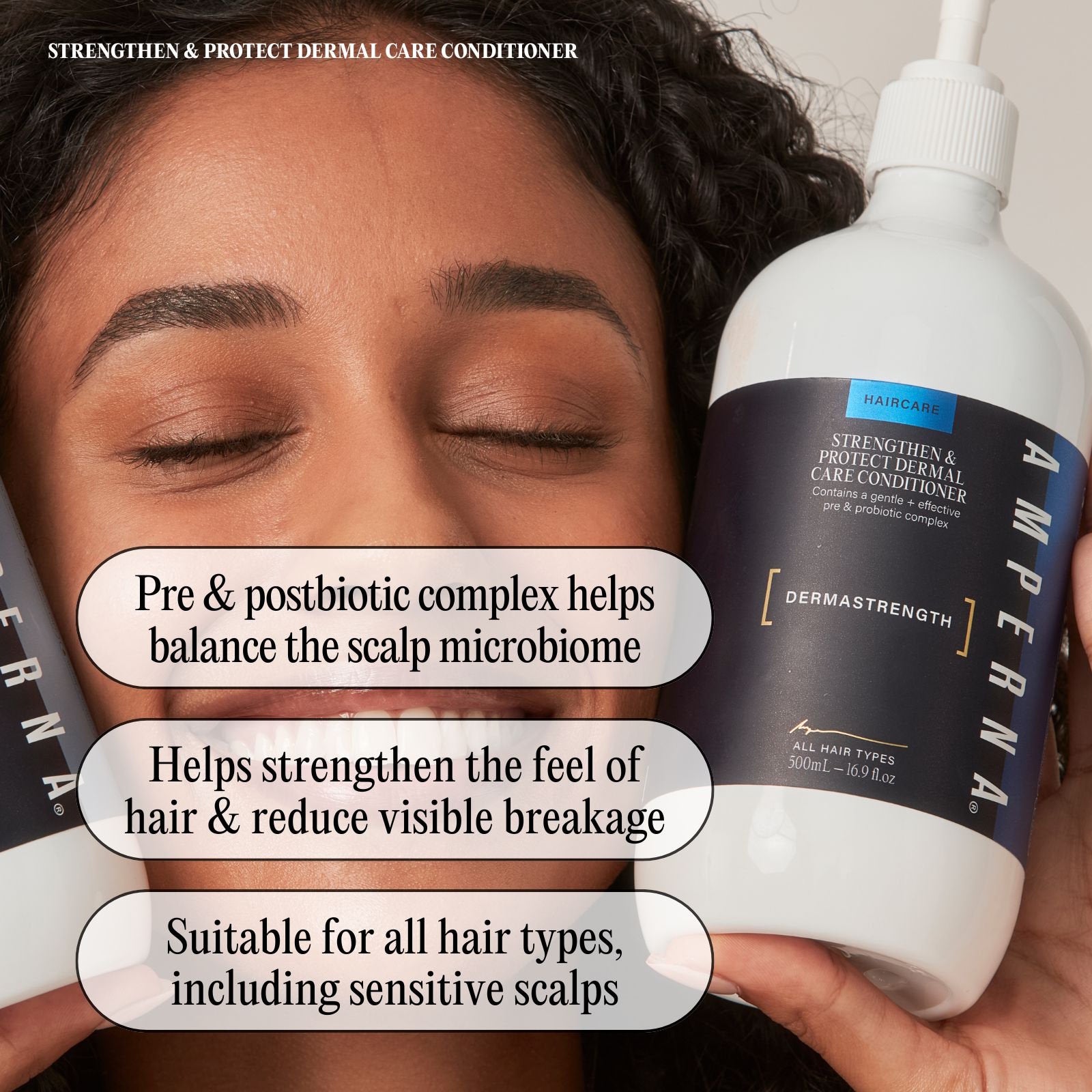
AMPERNA® Haircare: Our AMPERNA® haircare range has been developed with the same microbiome-conscious philosophy as our skincare, focusing on gentle Dermal Care for the scalp and hair. Explore the AMPERNA® Haircare range.
Perfumes
- Problem: Many fragrances are made from synthetic chemicals that can irritate sensitive skin, causing allergic reactions or flare-ups like redness, itching, or hives. If you have sensitive skin, it is important to choose perfumes that are hypoallergenic, alcohol-free, or made with gentle ingredients to avoid irritation.
-
Solution: If you have sensitive skin or are going through a flare we suggest not wearing perfume daily and reserve it for special occasions only.
Also being mindful where you spray the perfume, avoiding the face or places on your body prone to sensitivities.

Household Cleaning Products
- Problem: Chemicals in household cleaning products, laundry detergents, or fabric softeners can transfer onto your skin and cause reactions, especially on sensitive areas like the hands or face.
- Solution: Avoiding harsh chemicals or switching to more natural cleaning and laundry products can help prevent flare-ups or rashes, especially for sensitive skin.
Frequently Asked Questions About Sensitive Skin
Can using too many skincare products make sensitive skin worse?
Yes. Using multiple active ingredients, exfoliants or potentially irritating products can contribute to dryness and irritation, particularly if your skin barrier is already compromised. More skincare isn't necessarily better skincare. A simple, consistent routine can be a better approach for sensitive skin.
How do I know if a product is irritating my sensitive skin?
Look for changes such as burning, stinging, itching, redness, dryness, tightness or a rash after introducing a product. Keep in mind that irritation and an allergic reaction aren't the same thing. If you repeatedly react to products, a dermatologist or healthcare professional can help identify the cause.
Can haircare products irritate sensitive skin?
Yes. Shampoo, conditioner, hair masks, styling products and fragrances can come into contact with the scalp, hairline, face and neck and may cause irritation in some people. If you notice sensitivity around your hairline, scalp or neck, your haircare routine may be worth reviewing.
Can makeup make sensitive skin worse?
It can. Certain makeup products may contain ingredients that irritate sensitive skin, while heavy or occlusive products may also contribute to congestion for some people. If your skin is reactive, look for products formulated for sensitive skin, introduce them gradually and remove makeup gently at the end of the day.
Can perfume cause sensitive skin reactions?
Fragrance is a common source of irritation and allergic contact dermatitis for some people. If you have sensitive skin, consider limiting how much fragrance comes into direct contact with your skin, particularly during a flare. Fragrance can also be found in products you may not immediately think of, including skincare, haircare, body products and laundry products.
Can laundry detergent affect sensitive skin?
Yes. Laundry detergents and fabric softeners can leave residues on clothing, bedding and towels that remain in contact with your skin for hours. If you notice irritation in areas where clothing or bedding touches your skin, consider switching to a gentle, fragrance-free laundry product and see whether your skin responds differently.
Should I stop using all skincare if my skin is sensitive?
Not necessarily. The goal isn't to stop caring for your skin, but to simplify your routine and remove products that may be causing irritation. A gentle cleanser, moisturiser and daily sun protection can provide a simple foundation, with additional products introduced gradually depending on your skin's needs and tolerance.
How can I simplify my skincare routine for sensitive skin?
Start by looking at everything that comes into contact with your skin, not just your face cream. Consider your cleanser, serums, exfoliants, moisturiser, sunscreen, makeup, haircare, perfume, body products and even laundry products. Remove unnecessary products and introduce anything new one at a time so you can identify potential triggers more easily.
Can a damaged skin barrier cause sensitive skin?
A compromised skin barrier can make skin more vulnerable to irritation and environmental triggers. Over-cleansing, excessive exfoliation and using too many irritating products can contribute to barrier disruption. Supporting your skin with gentle cleansing and moisturising can help maintain the skin barrier.
Does sensitive skin mean I can never use active ingredients?
No. Having sensitive skin doesn't automatically mean you need to avoid every active ingredient. However, some active ingredients can cause irritation, particularly when used too frequently or introduced too quickly. Introduce new actives gradually and pay attention to how your skin responds. If your skin burns, stings or becomes significantly irritated, stop and reassess your routine.
What is the best skincare routine for sensitive skin?
There isn't one routine that works for everyone. Generally, a simple routine focused on gentle cleansing, moisturising and daily sun protection is a good starting point. Once your skin is comfortable with the basics, you can consider introducing additional products one at a time.
Why does my sensitive skin react to products that used to be fine?
Your skin can change over time. Environmental factors, over-exfoliation, hormonal changes, illness, stress, ageing and changes to your skincare routine can all influence how your skin responds. A product you've tolerated for years may feel different when your skin barrier is compromised or your skin has become more reactive.
When should I see a dermatologist about sensitive skin?
If your skin reactions are persistent, painful, severe, recurring or difficult to identify, it's worth seeking professional advice. A dermatologist can help determine whether you're experiencing sensitive skin, irritation, allergic contact dermatitis or an underlying skin condition such as eczema or rosacea.