Seborrheic dermatitis is a common skin condition that can affect areas where oil glands are more active, including the scalp, face, eyebrows, ears and sometimes other areas of the body.
It can be frustrating to manage because symptoms can come and go, often appearing as:
- Flaking
- Redness
- Dry or greasy-looking scales
- Itching
- Irritated skin
- Persistent dandruff
Many people find themselves constantly changing products, trying new treatments or searching for answers when their skin flares.
The good news is that understanding your triggers and creating a gentle, consistent skincare routine can help support your skin.
At AMPERNA®, we believe that supporting the skin barrier and respecting the skin microbiome are important parts of caring for sensitive, reactive skin.
In this guide, we’ll share the seborrheic dermatitis dos and don’ts, including what habits may help, what to avoid and how to create a skincare routine that supports your skin.
What Is Seborrheic Dermatitis?
Seborrheic dermatitis is an inflammatory skin condition that commonly affects areas with a higher concentration of sebaceous (oil) glands.
It most commonly appears on the:
- Scalp
- Hairline
- Eyebrows
- Around the nose
- Behind the ears
- Chest
Seborrheic dermatitis is often associated with an overgrowth or imbalance of naturally occurring microorganisms on the skin, including Malassezia yeast, which is part of the normal skin microbiome.
However, seborrheic dermatitis is not simply caused by one factor.
A combination of factors may contribute, including:
- Genetics
- Hormonal changes
- Stress
- Environmental factors
- Skin barrier disruption
- Changes in the skin microbiome
Because everyone’s skin is different, identifying your own triggers is an important part of managing flare-ups.

Seborrheic Dermatitis Symptoms
Symptoms can vary from person to person, but common signs include:
Flaking
One of the most recognisable symptoms is visible flakes on the scalp, eyebrows or facial areas.
Redness
Affected areas may appear red, irritated or inflamed.
Itching
Seborrheic dermatitis can cause uncomfortable itching, which may become worse during flare-ups.
Scaling
Some people experience dry-looking scales, while others notice more oily or yellowish flakes.
Sensitive Skin
The affected areas may feel uncomfortable, especially when using harsh skincare products.
Seborrheic Dermatitis Dos
DO: Use Gentle Cleansing Products
Keeping your skin clean is an important part of supporting seborrheic dermatitis-prone skin.
However, harsh cleansing can remove too much oil from the skin and may leave your barrier feeling compromised.
Choose gentle cleansers that help remove impurities without leaving your skin feeling tight or stripped.
DO: Support Your Skin Barrier
Your skin barrier plays an important role in maintaining healthy-looking skin.
When the barrier becomes compromised, skin may become more sensitive and reactive.
Supporting your skin barrier with gentle, hydrating skincare can help your skin feel more comfortable.
Look for ingredients that support hydration and skin comfort, such as:
- Ceramides
- Glycerin
- Hyaluronic acid
- Barrier-supporting ingredients
- Microbiome-friendly ingredients
DO: Keep Your Routine Simple
When your skin is experiencing a flare-up, adding more products is not always the answer.
A simple routine often works best.
Focus on:
✓ Gentle cleansing
✓ Hydration
✓ Moisturising
✓ Sun protection
Avoid constantly changing products, as this can make it harder to identify potential triggers.
DO: Be Gentle When Removing Flakes
It can be tempting to pick or scrub away visible flakes.
However, aggressive scrubbing may irritate the skin further.
Instead:
- Soften flakes before removal
- Avoid scratching
- Use gentle movements
- Allow your skin time to recover
DO: Manage Potential Triggers
Triggers vary between individuals, but common factors that may contribute to flare-ups include:
- Stress
- Weather changes
- Lack of sleep
- Hormonal fluctuations
- Harsh skincare products
- Irritating ingredients
Keeping track of when your flare-ups occur can help you identify patterns.

Seborrheic Dermatitis Don’ts
DON’T: Use Harsh Skincare Products
Avoid products that may irritate already sensitive skin.
Be cautious with:
- Strong fragrances
- Harsh exfoliants
- Drying alcohols
- Aggressive scrubs
- Overuse of active ingredients
Your skin does not need to be stripped to be healthy.
DON’T: Over-Wash Your Skin or Scalp
While keeping your skin clean is important, excessive washing can disrupt your skin’s natural balance.
Over-cleansing may leave skin feeling:
- Dry
- Tight
- Irritated
Find a cleansing routine that works for your individual skin needs.
DON’T: Scratch Flaky Areas
Scratching may provide temporary relief, but it can increase irritation and potentially damage the skin barrier.
Instead, try:
- Applying a soothing moisturiser
- Using gentle pressure instead of scratching
- Keeping nails short
- Using a cool compress if needed
DON’T: Follow Every Viral Skincare Trend
When dealing with a frustrating skin condition, it can be tempting to try every trending hack online.
However, not every viral skincare recommendation is suitable for sensitive skin.
Products designed for one area of the body may not be appropriate for another.
For example, scalp products are formulated differently from facial skincare.
Always consider whether a product has been designed and tested for the area where you are applying it.
@ampernaskin #stitch with @Elyse Myers we love you Elyse! We had to jump in on the one! We understand how frustrated your skin can make you feel and we are all guilty of hopping on the next viral trend in hopes it is the answer 🤞 but it could make it worse. Please speak to a professional if you are struggling with any skin concerns. Kiri is available to DM if you have any questions about your skin 📥 #skin #skincare #skincaretips #headsandshoulders ♬ original sound - Classic Sitcoms

*Disclaimer: For safety and effectiveness, it is recommended to use skincare products specifically formulated for facial use which have undergone appropriate testing and evaluation for that purpose.
Ingredients To Be Mindful Of With Seborrheic Dermatitis
Everyone’s skin is different, and an ingredient that works well for one person may not work for another.
Some ingredients that people with sensitive skin may choose to approach with caution include:
Fragrance
Added man-made fragrance can be irritating for some sensitive skin types.
Strong Exfoliating Acids
Overusing exfoliating acids may compromise the skin barrier.
Harsh Cleansing Ingredients
Some stronger cleansing agents may leave skin feeling dry or uncomfortable.
The overall formula matters, not just one ingredient.
Ingredients Commonly Used For Seborrheic Dermatitis
Some ingredients are commonly used in products designed to manage seborrheic dermatitis, particularly scalp products.
These may include:
- Zinc pyrithione
- Selenium sulphide
- Ketoconazole
These ingredients are often found in medicated treatments designed specifically for scalp concerns.
Pyrithione zinc is commonly used in skincare and haircare products due to its antibacterial, antimicrobial, and antifungal properties. It can help reduce the symptoms of seborrheic dermatitis by controlling the growth of Malassezia, the type of fungus associated with the condition.
Pyrithione zinc is also effective in treating other skin conditions such as eczema, psoriasis, and acne. Additionally, it can be beneficial in regulating oil production, preventing itching, and soothing scalp irritation.

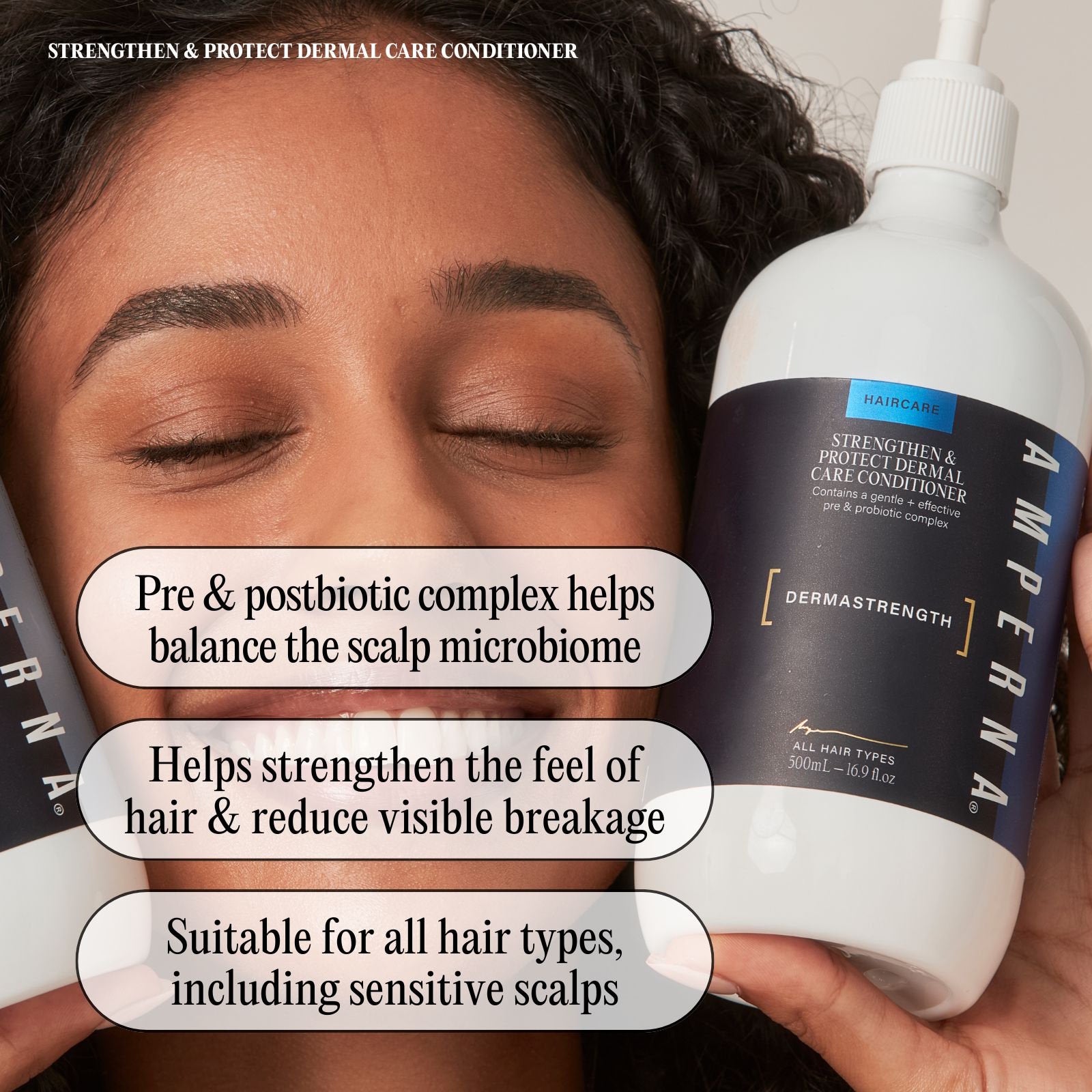
Don’t Forget Your Scalp and Haircare Routine
Seborrheic dermatitis often affects the scalp, which means your haircare routine matters too.
Your scalp is skin, and like the skin on your face, it benefits from gentle care.
Avoid:
- Over-washing
- Harsh products
- Excessive heat styling
- Irritating ingredients
A balanced scalp routine can help support overall scalp comfort.
Final Thoughts
Seborrheic dermatitis can be challenging, especially when flare-ups feel unpredictable.
However, creating a consistent routine, understanding your triggers and supporting your skin barrier can help your skin feel more comfortable.
Remember:
✓ Be gentle with your skin
✓ Avoid over-complicating your routine
✓ Support your skin barrier
✓ Pay attention to your personal triggers
At AMPERNA®, we believe skincare should work with your skin - not against it.
Supporting your skin’s natural ecosystem is the foundation for healthy-looking, resilient skin.
References:
https://www.drugs.com/mtm/selenium-sulfide-topical.html
https://dermnetnz.org/topics/selenium-sulfide
https://www.drugs.com/mtm/ketoconazole.html
https://www.mayoclinic.org/drugs-supplements/ketoconazole-topical-route/description/drg-20067739
https://www.healthline.com/health/pyrithione-zinc